By Glen Bigness, Realtor, Premiere Plus Realty. Equestrian property agent since 1986 and a horse owner. Updated November 15, 2026.
Horse property is a specialty sale. The right buyer is often out of state, knows exactly what discipline and how many horses they need, and judges a farm on footing, fencing and barn layout before the house. A general listing rarely reaches that buyer. Here's how to sell a Florida horse property for what it's worth.
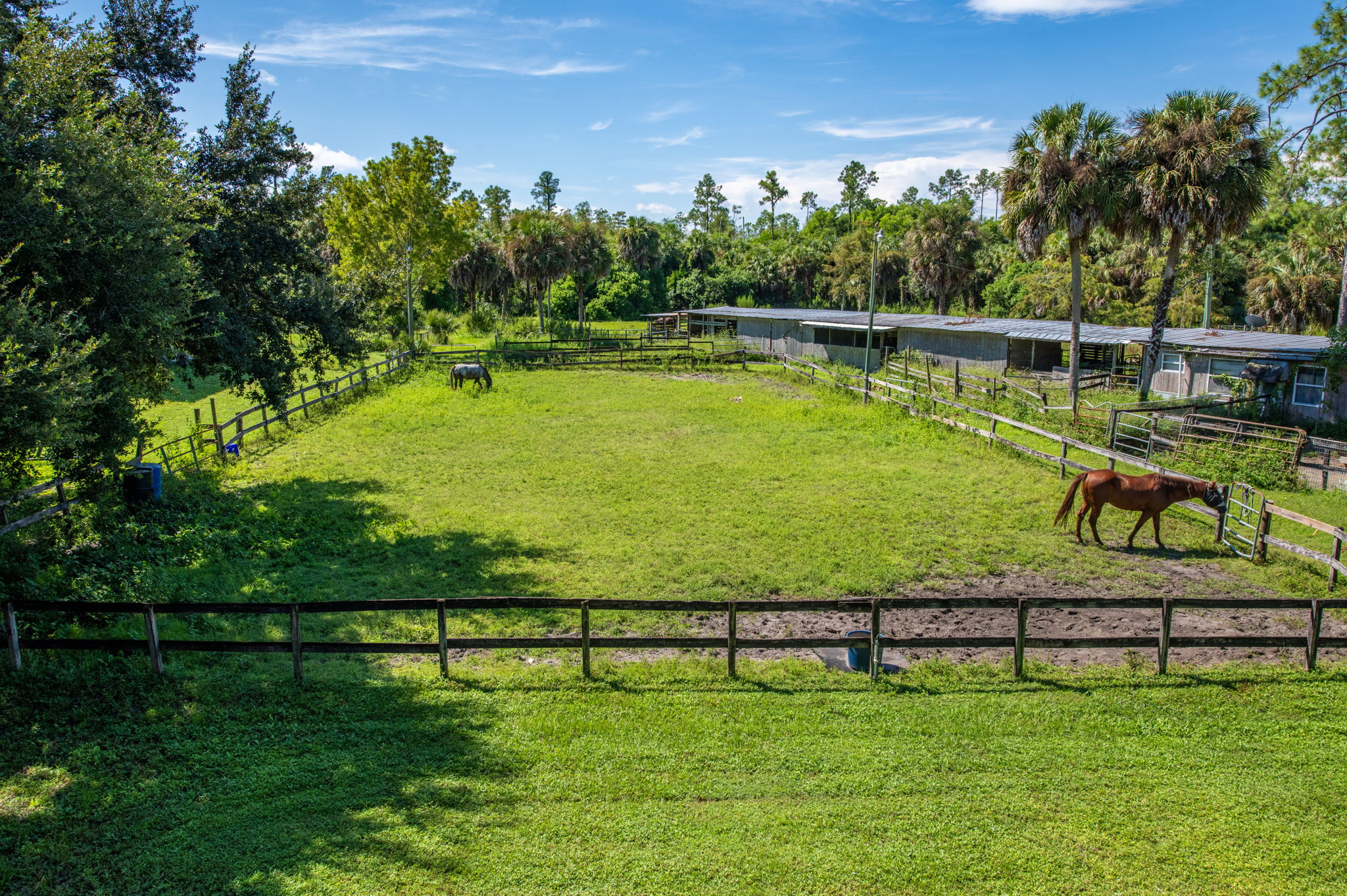
The market for horse property
In November 2026 there were about 56 homes with barns or stables on 2 or more acres for sale across Collier, Lee, Hendry, Charlotte, Glades, Sarasota, Manatee and Hillsborough counties, priced from about $280,000 to $6.9 million. With so few choices, buyers travel for the right farm, and they compare every detail. See Florida horse properties for sale.
What horse buyers pay for
- Usable acreage: dry, fenced pasture counts more than total acres. Wetlands and low ground reduce value.
- Barn: number and size of stalls, ventilation, wash rack, tack and feed rooms, and condition.
- Fencing and paddocks: safe board, no-climb or vinyl fencing and rotation paddocks.
- Arena and footing: size, drainage and footing quality for the buyer's discipline.
- Zoning and horses allowed: the number of horses the land legally supports. See the Florida horse property zoning guide.
- Trailer access and parking, well and septic, and trail or show access nearby.
Step 1: Prepare the farm, not just the house
- Repair fence boards and gates; mow and drag pastures
- Clean and lime stalls, sweep aisles, organize the tack room
- Service the well pump, irrigation and arena drainage
- Have a survey, aerial and a site plan showing paddocks and structures
Buyers use a checklist like this one. Prepare for it.
Step 2: Gather the paperwork
- Survey and legal description, easements and access
- Permits for barns, arenas and outbuildings
- Well and septic records
- Agricultural classification, if any. Ag classification does not transfer automatically; the buyer must qualify and apply. Tell buyers early.
- Florida flood disclosure and seller's disclosure
Step 3: Price acreage and improvements, not square feet
Horse properties don't compare well by price per square foot. I compare land value, barn and arena improvements, and recent horse-property sales in your county and similar counties. Rural sales are fewer, so experience reading them matters.
Step 4: Reach horse buyers where they look
- Professional and drone photography of barns, pastures and arena
- Video walk-throughs for out-of-state buyers
- Exposure on the MLS, my HorseFlorida.com site for equestrian buyers, and horse-focused social media
- A listing that leads with stalls, acres, fencing and arena, not just bedrooms
Proven results
I sold a 24-acre Fort Denaud horse property with a 12-stall barn: see that sale. Read more about working with a Florida equestrian Realtor.
Frequently asked questions
How long does it take to sell horse property in Florida?
Usually longer than a typical home, because the buyer pool is smaller and often out of state. Good presentation and wide equestrian exposure shorten it.
Should I sell the horses' equipment with the farm?
Fixtures like stall mats, fans and arena equipment can add appeal. List clearly what stays and what goes.
Can I sell part of my acreage?
Sometimes. It depends on zoning, minimum lot sizes and access. Check with the county before you plan a split.
Thinking of selling your horse property?
Call or text Glen Bigness at 239-272-4663 or email glenbigness@gmail.com. I'll walk the farm with you and give you an honest price and marketing plan.
More seller guides: All seller guides | Pricing your home | Closing costs and net proceeds
Horse property by county: Naples | Collier County | Lee County | Hendry County | Charlotte County